The 200-Year-Old Mother Tree: The Origin of the Dasheri Mango
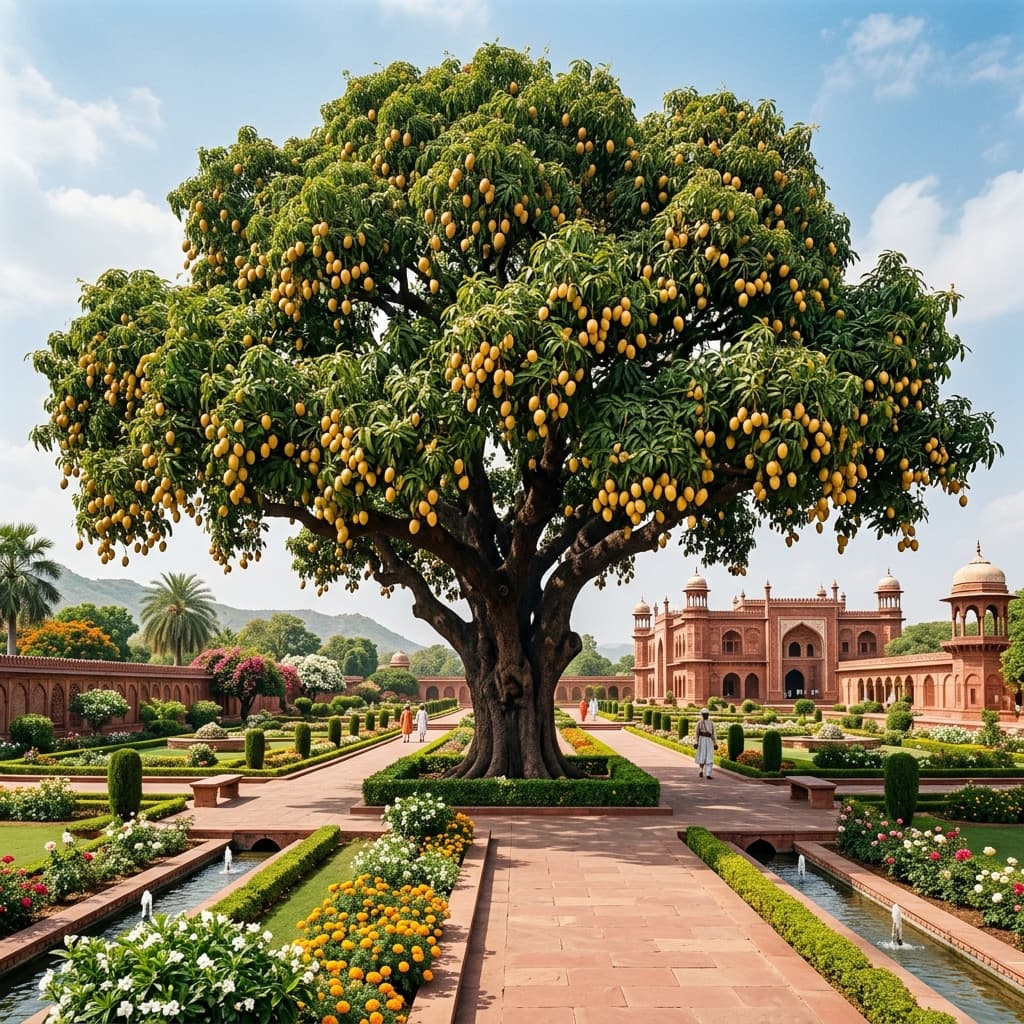
If you have ever enjoyed the sweet, fragrant, and perfectly elongated slice of a Dasheri mango during a hot North Indian summer, you are partaking in a legacy that traces back to a single, miraculous tree.
While most mango varieties have murky origins lost to time, the Dasheri has a definitive birthplace, an aristocratic pedigree, and - most incredibly - a "Mother Tree" that is still alive and bearing fruit today.
The Gardens of the Nawab
The story of the Dasheri begins in the 18th century, in the royal gardens of the Nawab of Lucknow.
What is Dasheri?
A sweet, fragrant, and elongated mango variety that originated in Malihabad, Uttar Pradesh. It is known for its non-fibrous pulp and is one of the most commercially successful varieties in Northern India.
The Nawabs were renowned patrons of the arts, culture, and gastronomy. Their estates in Kakori and Malihabad (just outside Lucknow) were dedicated to horticultural experimentation. It was in one of these gardens, in a small village named Dashehri, that a particularly exceptional mango seedling took root.
When the tree bore fruit, the Nawab's gardeners were astounded. The mangoes were beautifully elongated, with a golden-yellow skin and a deeply aromatic, fiberless pulp that was far sweeter than any other variety in the region.
The Mother Tree Lives On
What happened next is a testament to the resilience of nature. Cuttings (scions) were taken from this original tree and grafted onto rootstocks, spreading the "Dasheri" variety across Malihabad, and eventually, across the entire country.
Today, Malihabad is famously known as the "Mango Capital of India," producing thousands of tons of Dasheri mangoes. Yet, the original Mother Tree (known locally as the 'Mother Dasheri') still stands in a private orchard near the village of Dashehri. Despite being well over two centuries old, it has a massive canopy and continues to bless its caretakers with fruit.
The Benchmark of Sweetness
The Dasheri sets the benchmark for sweetness in North India. It is best enjoyed by gently massaging the fruit to loosen the pulp, biting off the tip, and sucking the sweet juice directly - a method affectionately known as "Chusne wala aam" (the sucking mango).
At Aam Native, we honor the legacy of Malihabad by sourcing our Dasheri mangoes from the very region where it all began. We ensure our mangoes are naturally ripened without carbide, allowing the historic, aromatic sweetness of the Nawab's original orchard to reach your table intact.
Explore our Dasheri collection and taste a piece of 200-year-old history.
Found this helpful?
Share it with someone who loves mangoes.
Continue Reading
You Might Also Like
Farm-Direct · GI-Certified
Ready to taste the real Alphonso?
Zero carbide. Naturally ripened. Delivered in 24–48 hours.
Shop Mango Boxes →