Luxury Unboxing: Designing the Ultimate Mango Experience
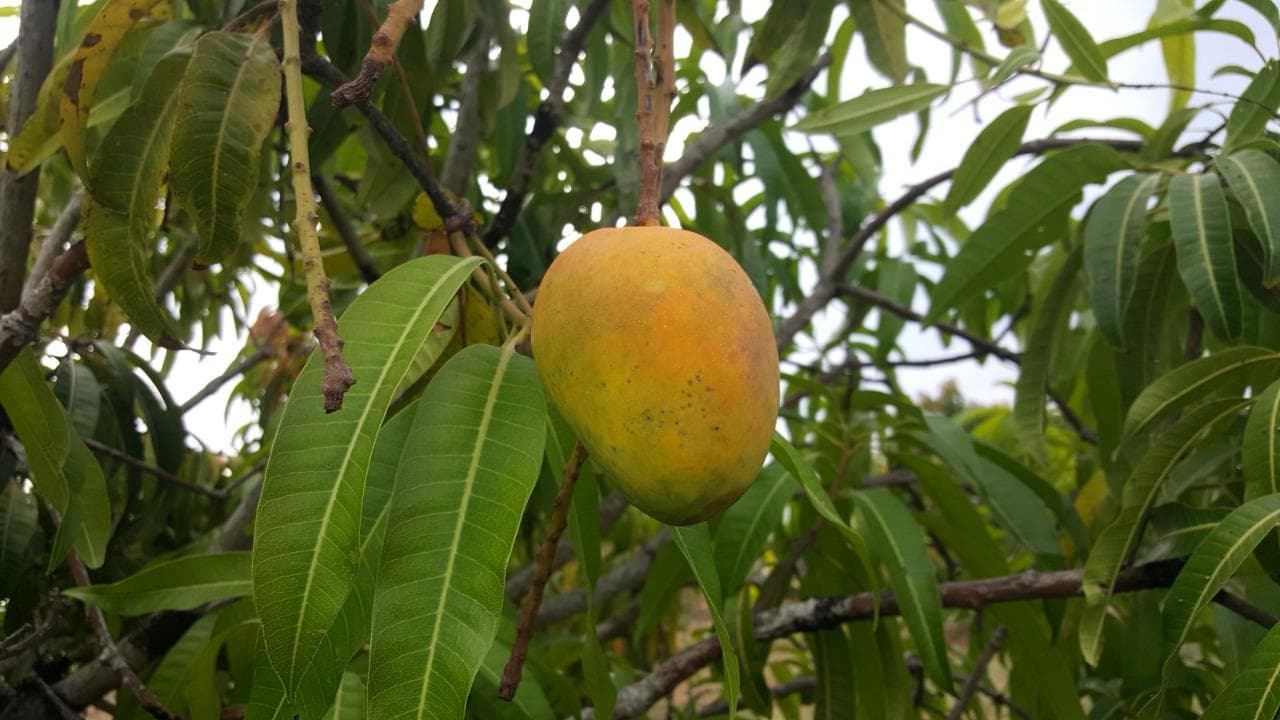
Luxury Unboxing: Designing the Ultimate Mango Experience
In 2026, unboxing is not an afterthought - it is the first impression. Before a single mango reaches the palate, it reaches the eyes, the hands, and the nose. The quality of that first sensory encounter tells the recipient everything they need to know about what they are about to experience.
This is why the world's most celebrated fruit gifting traditions - from Japan's Densuke watermelons at Rs 50,000 apiece to European truffle boxes wrapped in velvet - invest as much in the container as the contents. The package is a promise. At Aam Native, we have built our packaging philosophy around a simple belief: GI-certified Alphonso mangoes at 18–22 degrees Brix deserve a container that announces their value before the lid comes off.
Why Luxury Unboxing Culture Is Transforming Indian Gifting
The unboxing phenomenon began in consumer electronics and spread to cosmetics, fashion, and food. In India, it accelerated alongside the rise of social media gifting culture - a box that photographs well, unwrapped on someone's kitchen counter and shared to Instagram Stories, has a reach that extends far beyond the original recipient.
For premium food gifting, this has profound implications. A beautiful mango box shared on social media reaches hundreds of people who were not at the wedding, not in the corporate client meeting, not at the anniversary dinner. The box itself becomes marketing. But more importantly - and this is easy to overlook in the Instagram framing - a thoughtfully designed package communicates genuine care to the person holding it before they have tasted a single mango.
The Indian premium gifting market has recognised this. In 2026, consumers and corporate buyers alike are willing to pay a premium for packaging that matches the quality of the product inside. A cardboard box and some bubble wrap, regardless of what it contains, simply does not communicate premium. A wooden peti with straw-bedded, individually-sleeved Alphonsos does.
What is a Wooden Peti and Why Does It Matter?
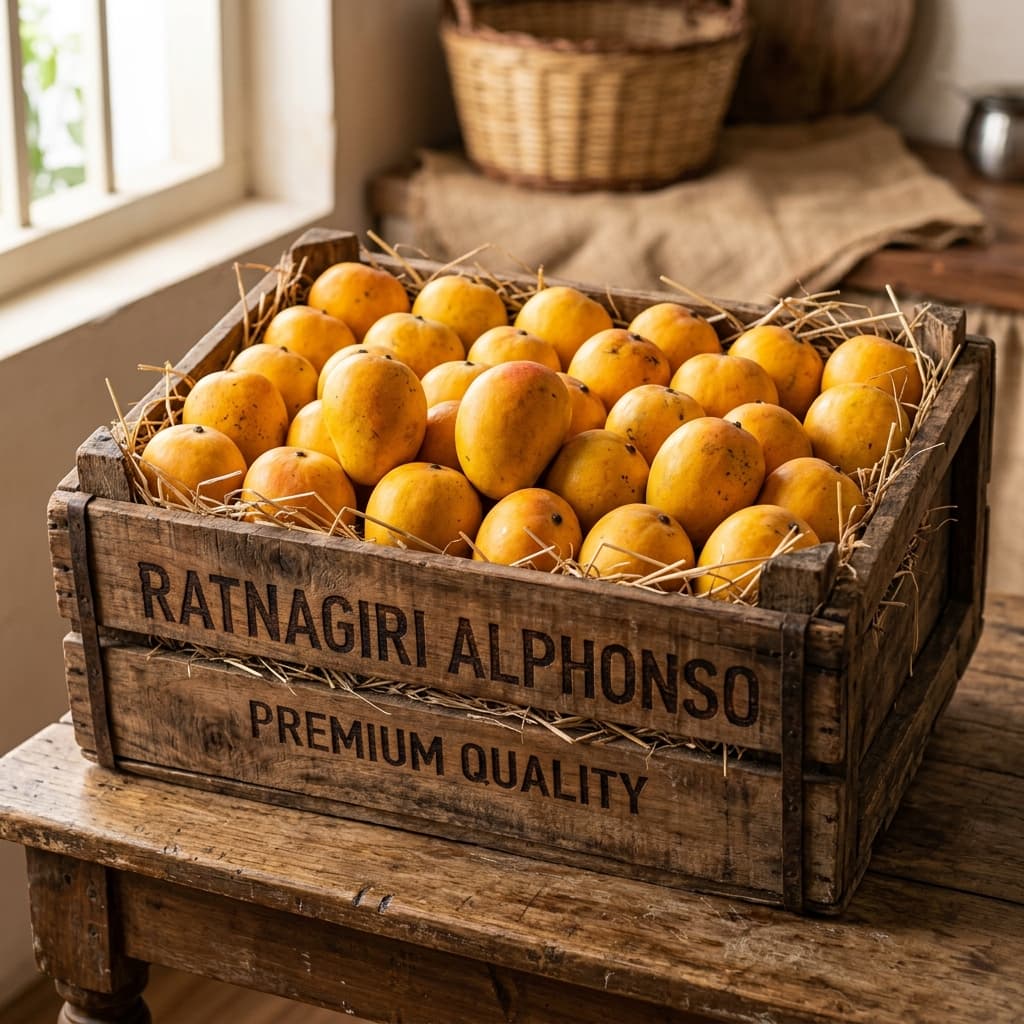
A peti is the traditional wooden crate used by mango farmers in the Konkan region of Maharashtra to transport and store Alphonso mangoes. The word itself means 'box' in Marathi, and the traditional peti - slatted wood, ventilated, filled with natural straw - has been the vessel of choice for premium Hapus for generations.
Aam Native's wooden peti draws on this tradition while refining it for the contemporary premium gifting context. Here is what distinguishes it from a cardboard alternative:
Structural Integrity
Wood provides a rigid, crush-resistant structure that cardboard cannot replicate. A peti stack in a courier van will not compress under weight. When a recipient picks it up, the weight and solidity of the box immediately signal quality. A cardboard box that has been handled by two warehouses and three delivery persons rarely retains that sense of care.
The Sensory Opening
When you open an Aam Native wooden peti, the experience unfolds in layers. First, the smell - natural wood and fresh straw, clean and organic. Then the visual arrangement - saffron-gold Alphonsos nestled in cream-coloured straw or foam, each one individually sleeved. Then the weight of each fruit as you lift it - solid, not hollow, telling you it is full of juice. This sequence of sensory signals is what luxury unboxing is designed to deliver.
Durability and Reuse
Unlike cardboard, a wooden peti survives the delivery experience and continues its life in the recipient's home. Customers use Aam Native petis as wine bottle holders, display shelves, jewellery organisers, and desktop storage. The box - with Aam Native's name on it - remains visible in someone's living room long after the mangoes are eaten. This extended presence has no equivalent in disposable cardboard packaging.
Foam, Tissue, and Straw: Inside the Peti
The interior padding of a premium mango box is as important as the exterior. Three materials are used in premium mango packaging, each with specific properties:
Individual Foam Net Sleeves
Each Alphonso mango in an Aam Native box is wrapped in a foam net sleeve - the same type used in Japan for premium fruit packaging. The foam net serves two functions: it prevents contact bruising between mangoes during transit (even a gentle knock can leave a pressure bruise that becomes soft and fermented), and it creates a visual presentation layer. When you open the peti and see each mango wrapped in its individual sleeve, the message is: every single one of these was cared for individually.
Natural Straw Bedding
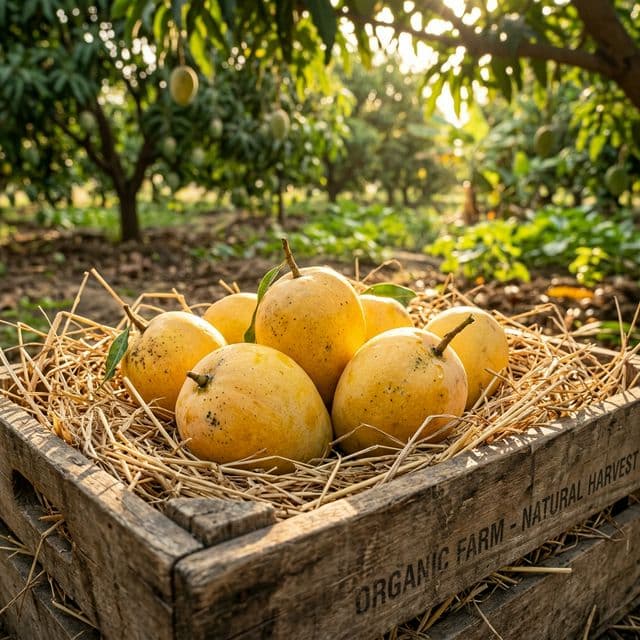
Traditional Konkan mango packing uses natural rice straw or wood shavings to create a cushioned bed for the fruit. Aam Native uses natural straw in the wooden peti format - a material with genuine heritage (farmers in Devgad have been packing mangoes in straw for over a century) and genuine function. Straw absorbs excess moisture, regulates micro-humidity around the fruit, and allows slight air circulation that slows over-ripening. It also looks extraordinary when the lid opens.
Tissue Paper Wrapping
For some premium gift presentations, individual Alphonsos are wrapped in high-quality tissue paper before being sleeved. This adds a tactile unwrapping experience - the recipient literally unwraps each mango. It also protects the mango skin from abrasion and adds a layer of visual elegance.
How Packaging Affects Mango Shelf Life
Packaging is not just aesthetic - it has direct implications for how long Alphonso mangoes stay at peak quality after delivery.
The enemies of Alphonso shelf life:
- Contact bruising: Two mangoes touching without padding leads to pressure soft spots within 24–48 hours
- Ethylene concentration: Mangoes emit ethylene as they ripen; without ventilation, concentrated ethylene causes rapid over-ripening in confined spaces
- Temperature fluctuations: Uninsulated boxes in courier vans can experience significant temperature variation that accelerates ripening unpredictably
How Aam Native packaging addresses each:
- Individual foam sleeves eliminate contact bruising entirely
- The wooden peti's natural slatted ventilation allows ethylene to dissipate at a controlled rate
- Double-wall outer cardboard (when shipping long distance) provides thermal insulation against extreme temperature spikes
The result: mangoes delivered in Aam Native's premium packaging consistently arrive in better condition and maintain peak quality 1–2 days longer than mangoes shipped in standard corrugated cardboard alone.
The Japanese Densuke Inspiration: What Indian Mango Gifting Can Learn
In Japan, the concept of premium fruit gifting has reached extraordinary heights. Densuke watermelons from Hokkaido sell for Rs 40,000–60,000 each. Yubari King melons, also from Hokkaido, have sold at auction for over Rs 5,00,000. These are not prices paid for superior nutrition - they are prices paid for verified provenance, exceptional flavour, and the cultural symbolism of giving the absolute best.
Each Yubari King melon is individually examined, graded, and presented in a gift box that communicates its status before the recipient sees the fruit. The box is part of the gift's value.
The parallel for Indian premium mango gifting is direct and compelling. A GI-certified Devgad Alphonso at 22 degrees Brix is, by any objective measure, one of the finest fruits produced anywhere in the world. It deserves packaging that communicates that status. A corrugated cardboard box lined with newspaper does not. A natural wood peti with straw-bedded, foam-sleeved Alphonsos does.
This is not about affectation - it is about honest packaging. The packaging should truthfully represent the quality of what is inside.
Sustainability: Natural Wood vs Styrofoam
As Indian consumers become more environmentally conscious, packaging sustainability has become a meaningful purchasing consideration. Here is how Aam Native's packaging philosophy positions on this dimension:
Natural wood: Biodegradable, reusable, and durable. A wooden peti that is repurposed in someone's home for five years has an extremely favourable environmental footprint per use. When eventually discarded, it decomposes without leaving microplastic residue.
Natural straw: Fully biodegradable, a traditional agricultural material with no industrial processing. It can be composted after use.
Foam net sleeves: Currently the least sustainable element of premium mango packaging. Thin polyurethane foam is not easily recyclable. Aam Native is evaluating natural alternatives - including mushroom-based foam nets and paper pulp sleeves - as part of an ongoing packaging development programme.
Styrofoam (expanded polystyrene): Widely used in commercial fruit shipping for its insulation properties, but non-biodegradable, not accepted by most recycling programmes, and increasingly banned or restricted in Indian states. Aam Native does not use styrofoam in any packaging format.
The overall sustainability verdict: Aam Native's packaging is significantly more sustainable than styrofoam-based alternatives, and the wooden peti's reusability gives it a long-term environmental advantage over single-use cardboard boxes.
Personalised Note Cards: The Final Layer
A premium mango unboxing experience is incomplete without a personalised note card. This is where the human element - the reason the mangoes were sent - finds its voice.
Aam Native includes a provenance card in every order, describing the specific orchard region (Devgad or Ratnagiri), the natural ripening method, and the GI certification status of the mangoes. For gift orders, a personal message card is printed and placed on top - the first thing the recipient sees when the peti lid opens.
For corporate orders, we offer branded note cards with your company's design. For personal gifts, we offer Aam Native's signature handwritten-style stationery with any message you provide at checkout.
The note card serves two purposes: it personalises the gift for the recipient, and it educates them about what they are holding. A recipient who understands that their mangoes come from GI-certified laterite coastal orchards, ripened naturally without calcium carbide, and delivered within 48 hours of harvest - that recipient tastes the mango differently. Context enhances flavour.
Frequently Asked Questions
Q: What is the difference between a wooden peti and a standard cardboard box for mango gifting? A: A wooden peti is a traditional Konkan mango crate - rigid, ventilated, and reusable. It protects mangoes better during transit, creates a superior unboxing experience, and continues to be used in the recipient's home long after the mangoes are eaten. Cardboard boxes are single-use and provide less structural protection.
Q: How does packaging affect the shelf life of Alphonso mangoes? A: Individual foam sleeves prevent contact bruising - the primary cause of premature spoilage. Natural straw bedding regulates micro-humidity and allows ethylene dissipation. Together, these extend the quality window by 1–2 days compared to unpadded packaging.
Q: Is Aam Native's packaging environmentally sustainable? A: Yes, more so than most alternatives. Natural wood is biodegradable and reusable. Natural straw is fully compostable. Aam Native does not use styrofoam. Foam net sleeves are the one element under active review for natural alternatives.
Q: Can I get custom branding on the wooden peti? A: Yes. Aam Native offers custom branding for corporate orders - stamped logos, personalised labels, and branded note cards. Contact our corporate team with your artwork for specifications.
Q: What is the Japanese Densuke inspiration mentioned in this article? A: Japan's Densuke watermelons and Yubari King melons sell at extraordinary prices partly because their packaging communicates their premium status before the fruit is tasted. Aam Native applies the same philosophy to Alphonso mangoes - premium packaging that truthfully represents the exceptional quality inside.
Q: Do the foam net sleeves on each mango get in the way of eating? A: No - the foam net sleeves peel off instantly and are not sticky. They are identical to the nets used on pears and other delicate fruits sold in premium fruit shops. They are removed before serving or eating.
Found this helpful?
Share it with someone who loves mangoes.
Continue Reading
You Might Also Like
Farm-Direct · GI-Certified
Ready to taste the real Alphonso?
Zero carbide. Naturally ripened. Delivered in 24–48 hours.
Shop Mango Boxes →