history of alphonso portugal ratnagiri
title: 'The History of the Alphonso: From Portugal to Ratnagiri' date: '2026-07-06' description: 'Discover the fascinating 500-year history of the Alphonso mango. Learn how a Portuguese general and the unique soil of Ratnagiri created the world''s finest mango.' image: '/images/blog/alphonso-history.png' author: 'Aam Native'
The Fascinating History of the Alphonso Mango
When you bite into a premium Ratnagiri Alphonso from Aam Native, you aren't just tasting the king of fruits - you are tasting over 500 years of botanical history, military strategy, and agricultural perfection.
The story of the Alphonso mango (or Hapus) is a tale of how a foreign fruit became the pride of India’s Konkan coast.

Why is it called Alphonso?
The name "Alphonso" comes from Afonso de Albuquerque, a brilliant but ruthless Portuguese military expert and nobleman who helped establish the Portuguese colonies in India in the 15th century.
Afonso was a strategic visionary, but he was also a passionate botanist. The Portuguese brought with them various seeds and grafting techniques from their other colonies, including Brazil.
The Birth of the Hapus
When the Portuguese settled in Goa, they were captivated by the local Indian mangoes. However, they found the local varieties to be fibrous and stringy. They applied their advanced European grafting techniques to the Indian mango trees, creating a completely new hybrid.
This new grafted mango was completely fiberless, incredibly sweet, and had a remarkably long shelf life - which was critical for transporting them on long sea voyages back to Europe. They named this superior fruit after their revered general, Afonso. Locals eventually adapted the pronunciation to "Hapus."
How it Reached Ratnagiri
While the Alphonso was born in Goa, it found its true home further north along the Konkan coast in Ratnagiri and Sindhudurg.
The unique terroir of this region - specifically the iron-rich red laterite soil and the salty, humid sea breezes blowing off the Arabian Sea - acted as a catalyst. The trees planted here produced fruit that was significantly sweeter, more aromatic, and visually stunning compared to those grown anywhere else.
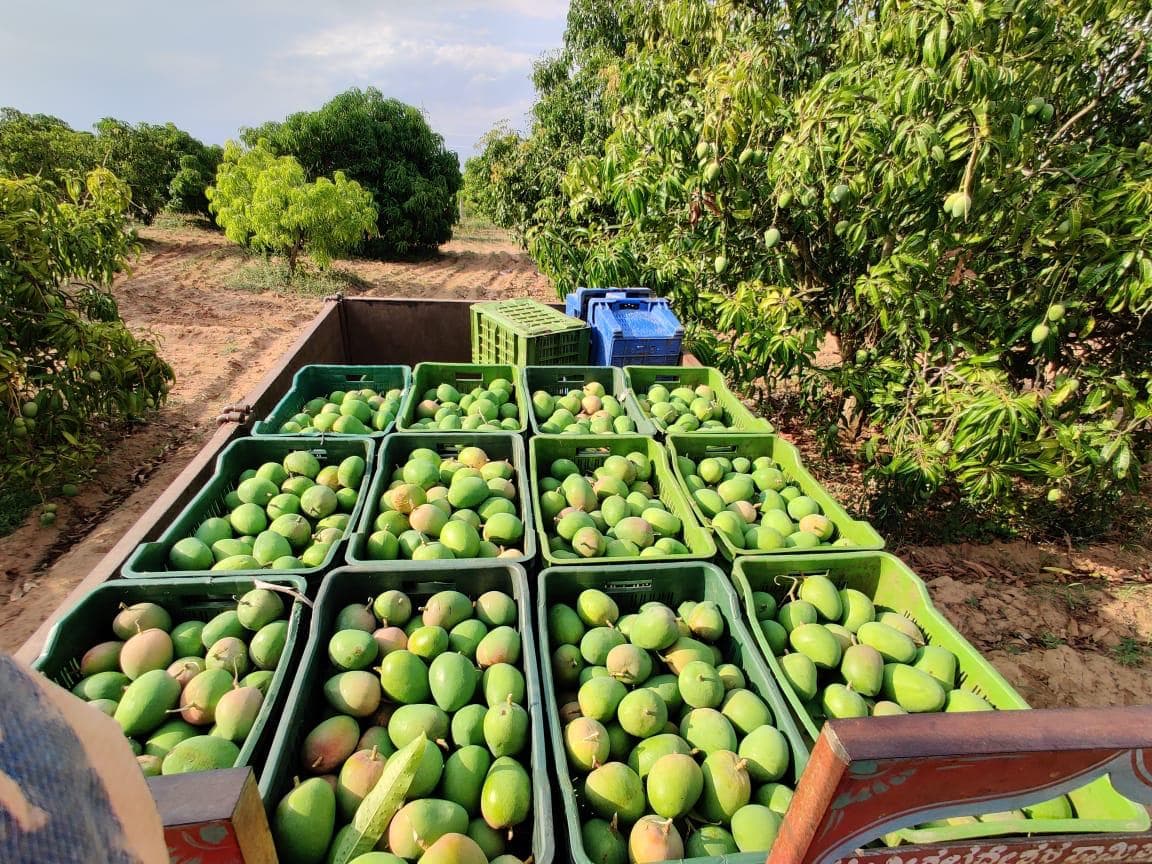
Today, Aam Native proudly continues this 500-year legacy. Our orchards are rooted in this exact same historic, iron-rich soil, ensuring that every box of Ratnagiri Alphonso mangoes you buy from us carries the authentic, original flavor that conquered the world half a millennium ago.
Found this helpful?
Share it with someone who loves mangoes.
Continue Reading
You Might Also Like
Farm-Direct · GI-Certified
Ready to taste the real Alphonso?
Zero carbide. Naturally ripened. Delivered in 24–48 hours.
Shop Mango Boxes →