The Economics of the Alphonso: Why is the King of Fruits So Expensive?
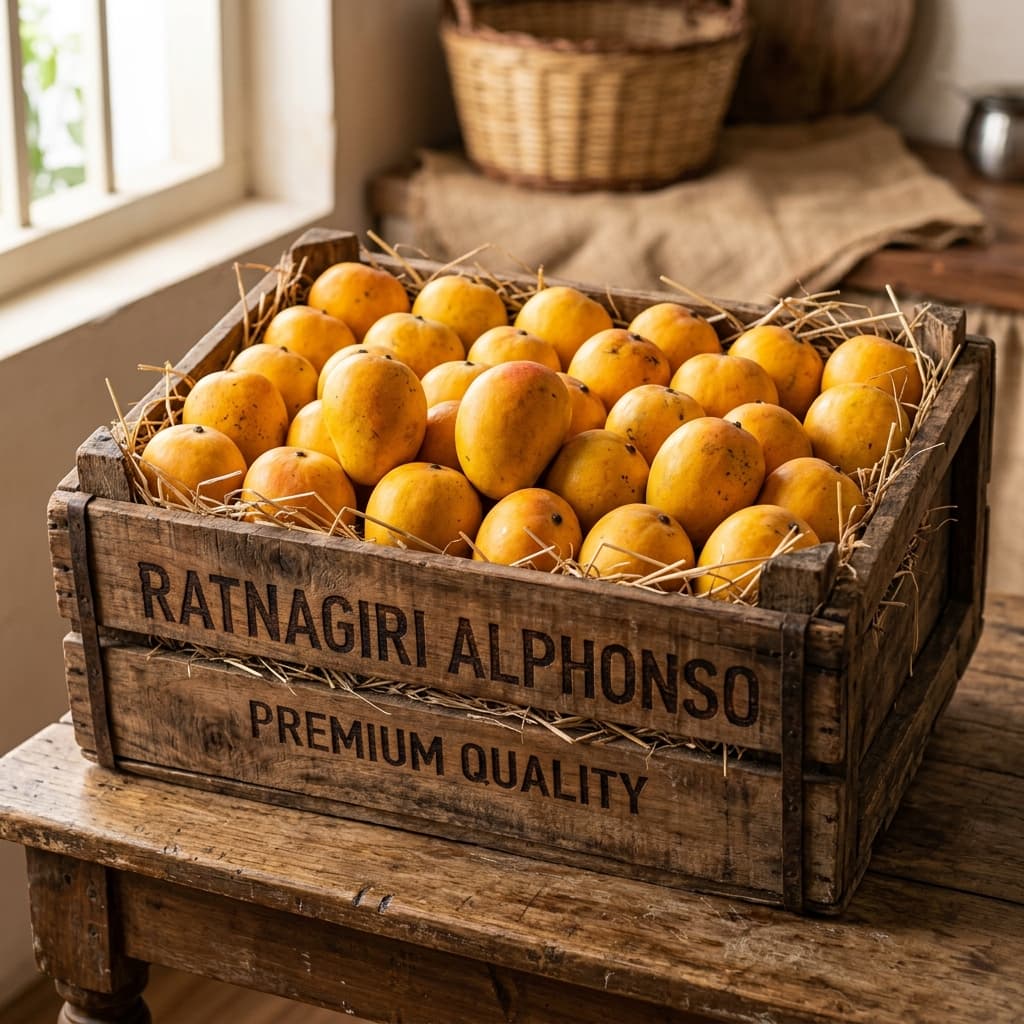
A premium box of authentic, GI-certified Ratnagiri Alphonso mangoes often costs north of ₹2,500. To the uninitiated, this seems exorbitant for a dozen fruits. However, when you understand the agricultural, economic, and logistical realities of cultivating the King of Fruits, the price is not just justified, it is a testament to the immense labor required.
The Geographic Bottleneck
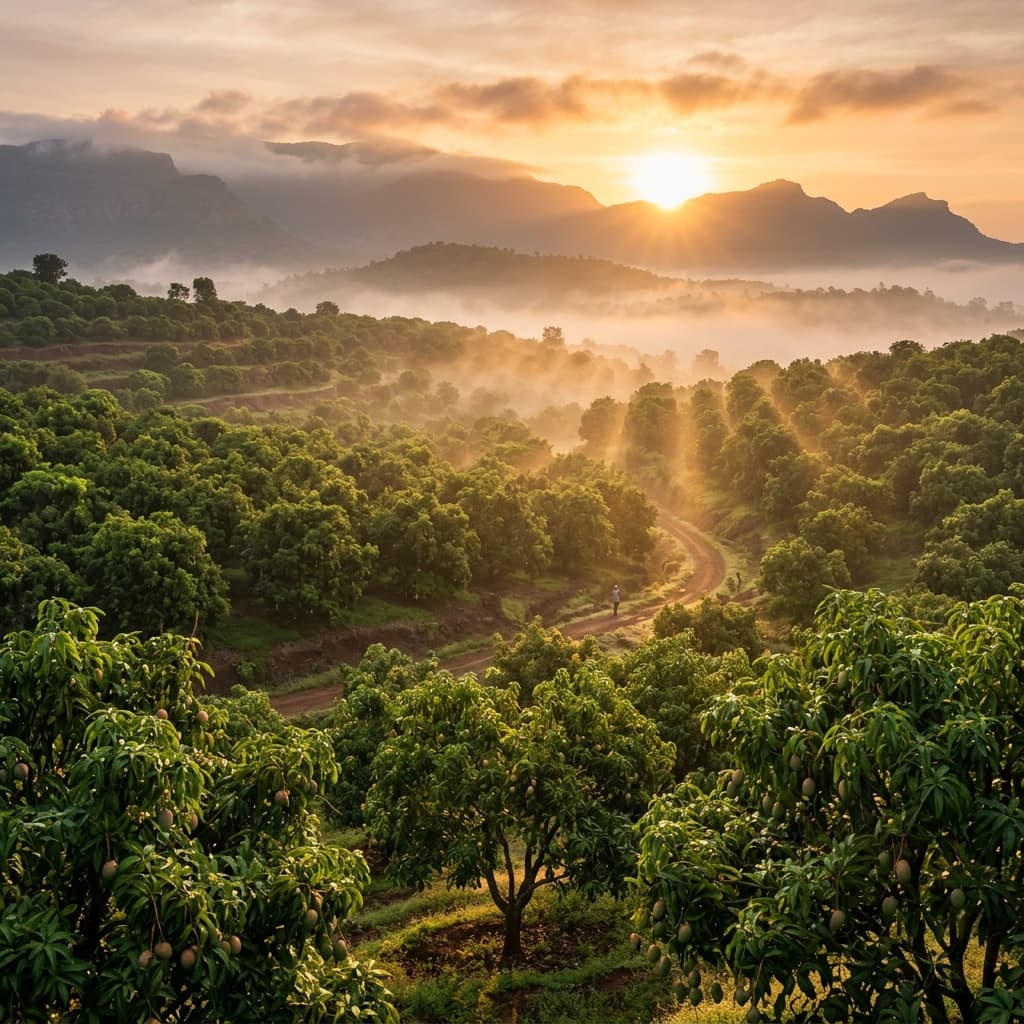
Unlike the Totapuri or Neelam, which can grow vigorously across massive tracts of land in Southern India, the true Alphonso requires a highly specific terroir. The laterite soil and salty sea breeze of Ratnagiri and Sindhudurg cannot be replicated. This geographic monopoly naturally limits supply against staggering domestic and international demand.
Alternate Bearing and Low Yields
Alphonso trees are notoriously moody. They exhibit a biological trait known as alternate bearing.
What is Alternate Bearing?
A botanical phenomenon where a fruit tree produces a heavy crop one year (the 'on' year) and a very light crop the next year (the 'off' year), drastically affecting supply predictability.
Furthermore, an Alphonso tree drops over 99% of its flowers. For every 10,000 blossoms, only one or two will survive to become a mature fruit. The yield per acre is significantly lower than commercial varieties like Kesar.
Climate Vulnerability
The Alphonso is highly sensitive to climate change.
- November: Unseasonal rains can wash away the delicate flowers.
- January: High temperatures can cause premature fruit drop.
- May: Early monsoons can ruin the harvest through fungal diseases.
Farmers invest heavily in organic pest management and irrigation, but one bad weather event can wipe out 40% of the year's revenue in a single weekend.
The Intense Labor of Harvesting
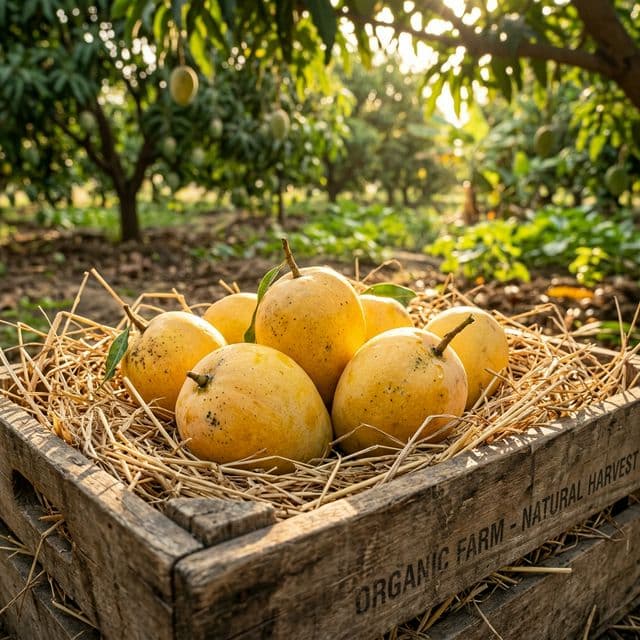
Alphonso mangoes cannot be shaken from the tree. Because the skin is incredibly delicate, every single premium mango must be hand-picked using a specialized tool called a nutan (a net with a blade attached to a long bamboo pole).
Direct Comparison
| Feature | Commercial Mango Harvesting | Alphonso Harvesting |
|---|---|---|
| Commercial mangoes are often bulk-harvested mechanically or roughly shaken onto tarps. Premium Alphonso must be individually hand-plucked to prevent the sap from burning the skin and to avoid bruising. | Commercial mangoes are often bulk-harvested mechanically or roughly shaken onto tarps. Premium Alphonso must be individually hand-plucked to prevent the sap from burning the skin and to avoid bruising. |
← Swipe horizontally to view full table →
The Aam Native Promise
The retail price in massive urban markets is often inflated by a chain of middlemen: the local aggregator, the wholesale mandi, the distributor, and the premium retailer.
By buying farm-direct through Aam Native, you bypass this convoluted chain. While the absolute price remains premium, your money goes directly toward sustainable farming practices, fair wages for the pickers, and the natural, carbide-free ripening processes that ensure you are getting the true, unadulterated King of Fruits.
Found this helpful?
Share it with someone who loves mangoes.
Continue Reading
You Might Also Like
Farm-Direct · GI-Certified
Ready to taste the real Alphonso?
Zero carbide. Naturally ripened. Delivered in 24–48 hours.
Shop Mango Boxes →