The Hidden Dangers of Calcium Carbide in Mangoes

The Hidden Dangers of Calcium Carbide in Mangoes
Mangoes are often misunderstood in the health community. While they are undeniably sweet, they are also packed with essential micronutrients. Today, we answer one of the most common questions about mangoes and health.
Calcium carbide (CaC2) is a banned substance under the Food Safety and Standards Authority of India (FSSAI), yet it remains widely used in India to force-ripen mangoes.
How It Works
When calcium carbide reacts with moisture, it produces acetylene gas, which mimics the natural ethylene gas that ripens fruit. However, industrial-grade calcium carbide also contains arsenic and phosphorus hydride - both toxic to humans.
Health Risks
- Headaches, dizziness, and mood swings
- Gastrointestinal issues (stomach cramps, diarrhea)
- Long-term exposure linked to neurological damage
- Skin rashes and eye irritation
How to Identify Carbide-Ripened Mangoes
- Uniform yellow color with no green patches - natural ripening always has a gradient
- No strong aroma - the carbide process kills the natural fragrance
- Hard inside despite yellow exterior - the fruit hasn't truly ripened
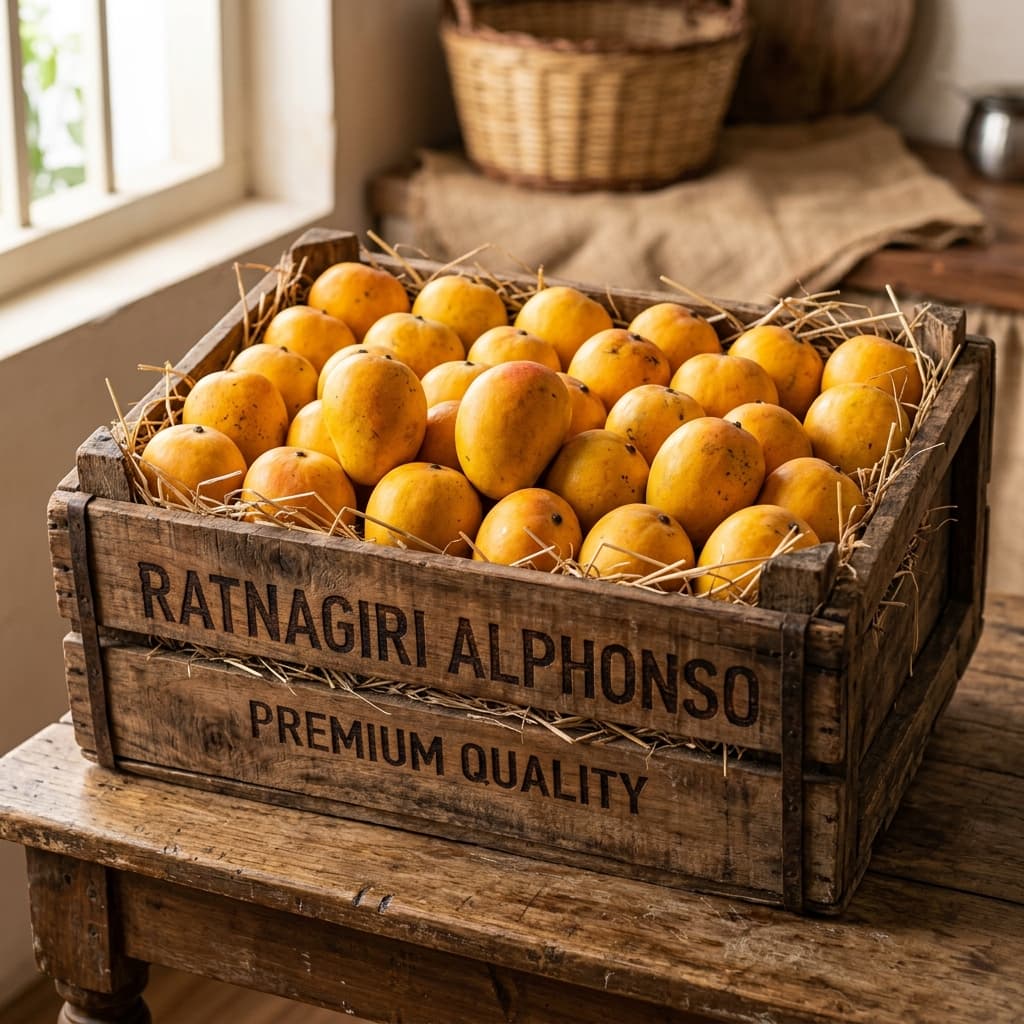
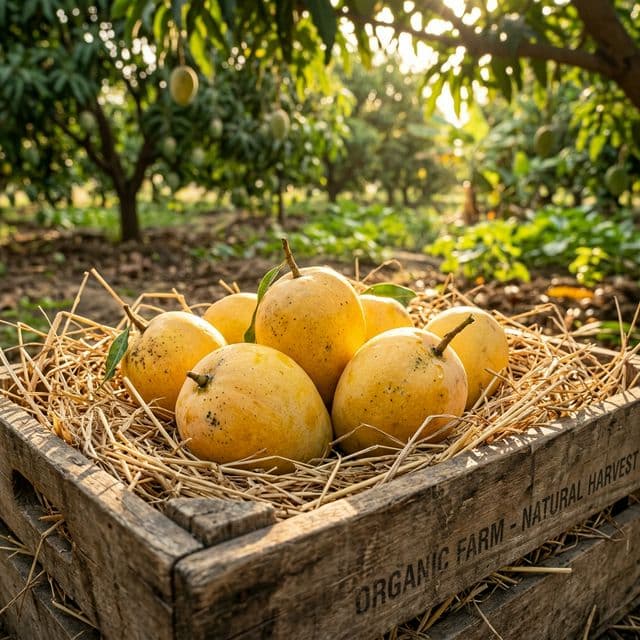
At Aam Native, we use only traditional hay-bed ripening, where the natural ethylene released by the mangoes themselves does the work. Shop carbide-free mangoes.
The Aam Native Promise
By choosing explicitly carbide-free, naturally ripened mangoes from Aam Native, you protect your body from harmful synthetic ripening agents while enjoying the full nutritional benefits of the fruit as nature intended.
Order authentic, naturally-ripened Ratnagiri Alphonso mangoes and experience the difference that chemical-free farming makes.
Found this helpful?
Share it with someone who loves mangoes.
Continue Reading
You Might Also Like

Farm-Direct · GI-Certified
Ready to taste the real Alphonso?
Zero carbide. Naturally ripened. Delivered in 24–48 hours.
Shop Mango Boxes →