Ratnagiri vs Devgad Alphonso: The Real Difference
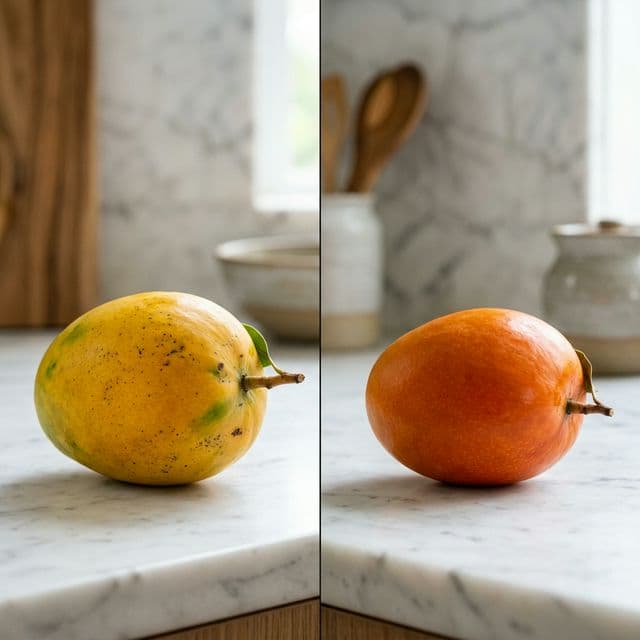
Ratnagiri vs Devgad Alphonso: Which Is Better?
Ratnagiri vs Devgad Alphonso, The Definitive Comparison
Ask any mango connoisseur in Mumbai and you will trigger a passionate debate: is Ratnagiri Alphonso superior to Devgad, or is it the other way around? Both are GI-certified, both are grown on the Konkan coast, and both are sold at premium prices. But ratnagiri vs devgad alphonso is a question with a real, nuanced answer, and it matters when you are spending ₹2,500–₹3,000 on a box.
This guide gives you the full picture: geography, taste differences, texture, ripening behavior, shelf life, and which one you should buy depending on what you value most.
The Geography, Two Districts, One Coastline
Both Ratnagiri and Devgad are located along Maharashtra's Konkan coast, facing the Arabian Sea. The Konkan belt is a narrow strip of land between the Western Ghats and the sea, characterized by laterite and red loam soils, a specific pattern of monsoon rainfall (2,500–4,000mm annually), and a warm, humid coastal microclimate.
Ratnagiri District
Ratnagiri is the larger of the two districts, located approximately 350 km south of Mumbai. The district spans about 8,200 sq km and has the highest concentration of Alphonso mango orchards in India. The coastal exposure is significant here, sea breezes moderate temperatures and influence the humidity profile of orchards. The soil in much of Ratnagiri is laterite (murrum), red, iron-rich, and well-draining, with low nitrogen content that stresses the tree slightly, concentrating sugars in the fruit.
Devgad Taluka, Sindhudurg District
Devgad is a smaller coastal taluka (sub-district) within Sindhudurg district, located about 85 km south of Ratnagiri town. The terrain here is more rugged, with smaller orchard plots nestled closer to the coastline. Devgad orchards often sit on slightly more clay-mixed laterite soils, and the proximity to the sea is even more pronounced. Devgad produces smaller volumes of Alphonso than Ratnagiri, which contributes to its premium positioning.
The Taste Difference, Where Things Get Interesting
This is the heart of the debate. Both Ratnagiri and Devgad Alphonso are non-fibrous, intensely sweet, and aromatic. But trained palates, and even casual mango lovers who have eaten both, consistently identify differences:
Ratnagiri Alphonso
- Flavor profile: Rich, full-bodied sweetness with a pronounced floral aroma. Often described as "creamy" with a slight tang that balances the sweetness.
- Aroma: Intensely fragrant, the signature Alphonso perfume that can fill a room.
- Texture: Buttery, silky, with nearly zero fiber. Pulp is deep saffron-orange.
- Brix (sugar level): Typically 20–24° Brix at peak ripeness.
- Size: Medium to large, 200–300g per mango.
Devgad Alphonso
- Flavor profile: Slightly more delicate sweetness, with a subtler tang and what many describe as a "purer" or "cleaner" mango flavor.
- Aroma: Fragrant but somewhat softer than Ratnagiri.
- Texture: Equally non-fibrous, with a slightly firmer initial bite that softens to the same buttery finish.
- Brix: Similar range, 20–23° Brix, often noted as having more even sweetness.
- Size: Slightly smaller on average, 180–250g.
Appearance, Can You Tell Them Apart Visually?
Yes, with experience:
- Ratnagiri: Deep saffron-yellow skin at full ripeness, sometimes with a slight orange tinge. The black tip (beak) is more pronounced.
- Devgad: A slightly paler, more lemon-yellow skin tone at the same stage of ripeness. The "cheeks" (sides) are often more symmetrical.
Both have thin, edible skin, and both develop the characteristic small blackened tip that is a hallmark of genuine Alphonso.
Shelf Life and Ripening Behavior
Devgad Alphonso is widely considered to have a slightly longer shelf life once ripe, 2–3 days at room temperature versus Ratnagiri's 1–2 days at peak ripeness. This makes Devgad marginally more forgiving for consumers who do not eat the entire box within 24 hours of ripening.
Ratnagiri Alphonso ripens more quickly and dramatically, the transition from "almost ripe" to "perfectly ripe" to "overripe" happens faster. Experienced buyers check their mangoes twice daily during ripening.
Price and Availability
Ratnagiri Alphonso is more widely available because production volumes are higher. This also means:
- More supply = slightly more competitive pricing
- More counterfeiting risk (more Ratnagiri is sold than actually exists)
Devgad Alphonso is produced in smaller quantities and is often sold at a 10–20% premium over comparable Ratnagiri. Genuine Devgad in the retail market is harder to find, which also means imitation Devgad labeling is common.
At Aam Native, we source Ratnagiri Alphonso directly from verified GI-certified farms in Ratnagiri district, giving you the volume, consistency, and price advantage of the world's most celebrated Alphonso growing region.
So Which Is Better?
The honest answer: neither is objectively superior. They are different expressions of the same cultivar, shaped by subtly different terroir. The choice depends on what you value:
- Choose Ratnagiri if you want bold, complex, intensely aromatic Alphonso, the classic, signature experience most people mean when they say "the best mango in the world."
- Choose Devgad if you prefer a slightly more delicate, clean sweetness and don't mind paying more for smaller volumes.
For most families buying mangoes for the season, Ratnagiri GI-certified Alphonso from a trusted farm-direct source delivers the best combination of quality, authenticity, and value.
Frequently Asked Questions
Are both Ratnagiri and Devgad Alphonso available on Aam Native?
Currently, Aam Native specializes in GI-certified Ratnagiri Alphonso, sourced directly from Ratnagiri district farms. We focus on Ratnagiri to ensure maximum quality control and farm traceability.
Why does Devgad Alphonso cost more?
Devgad produces smaller total volumes of Alphonso due to limited orchard area in the coastal taluka. Lower supply combined with strong demand from connoisseurs creates a consistent price premium.
Can I mix both varieties in one order?
Not from Aam Native currently, we maintain single-origin sourcing. However, many mango lovers buy from multiple sources during the season to do their own Ratnagiri vs Devgad comparison, which we enthusiastically encourage.
Experience the gold standard. Order GI Certified Ratnagiri Alphonso Mangoes from Aam Native, farm-direct, carbide-free, delivered at the peak of the season. Shop Now at Aam Native.
Found this helpful?
Share it with someone who loves mangoes.
Continue Reading
You Might Also Like
Farm-Direct · GI-Certified
Ready to taste the real Alphonso?
Zero carbide. Naturally ripened. Delivered in 24–48 hours.
Shop Mango Boxes →